

Gamme 39CS
Centrale de traitement double flux haute efficacité


Nouvelle gamme de pompes à chaleur autonomes verticales 50NC
Découvrez notre nouvelle gamme de pompes à chaleur autonomes verticales conçue pour une installation en intérieur


Refroidisseur à vis à vitesse variable avec free cooling - Designed for the Data Center

Découvrez nos nouvelles gammes de pompes à chaleur
Décarboner le chauffage avec les pompes à chaleur haute température jusqu'à 120°C
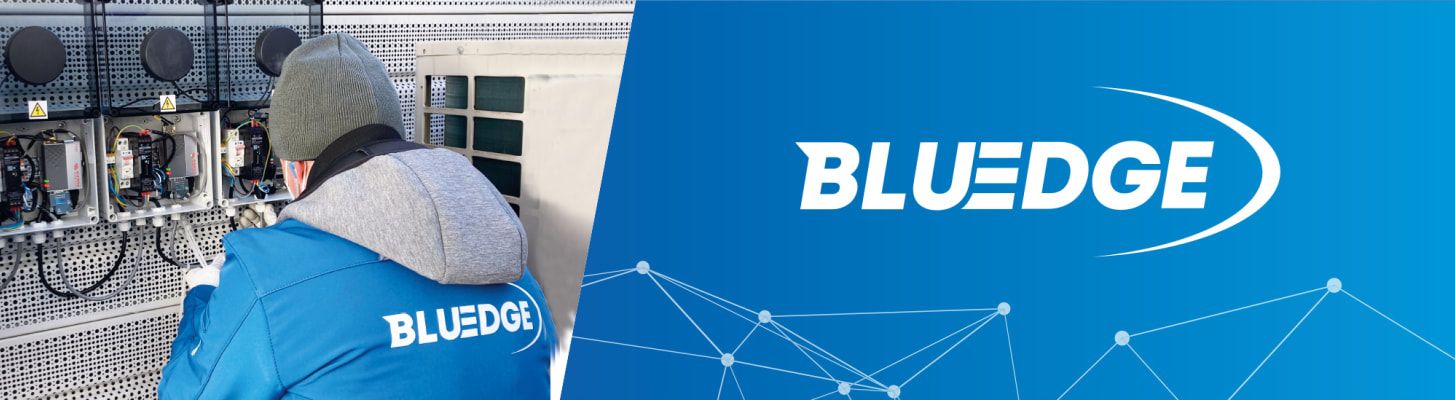
Prolongez la durée de vie de vos équipements et réduisez vos coûts de fonctionnement
Votre contrat de service BluEdge, enrichi d’ABOUND™ HVAC Performance, vous permettra de bénéficier d’une meilleure visibilité sur l’état de santé de vos équipements, de profiter de conseils d’experts, et d’optimiser la durée de vie de vos systèmes CVC.


Une large gamme de produits pour répondre à vos besoins







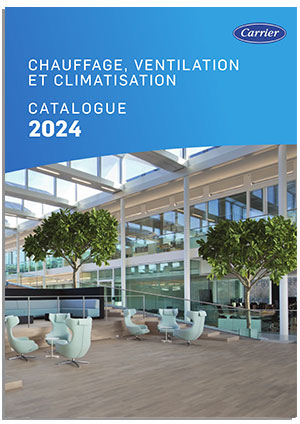
Catalogue 2024
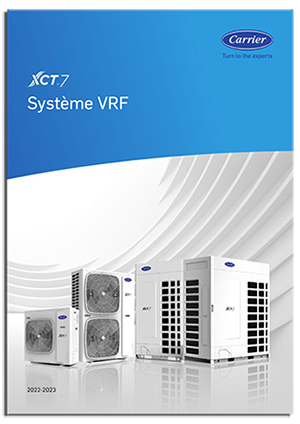
Catalogue XCT7 Système VRF

Catalogue Split Systems


Au service de vos équipements
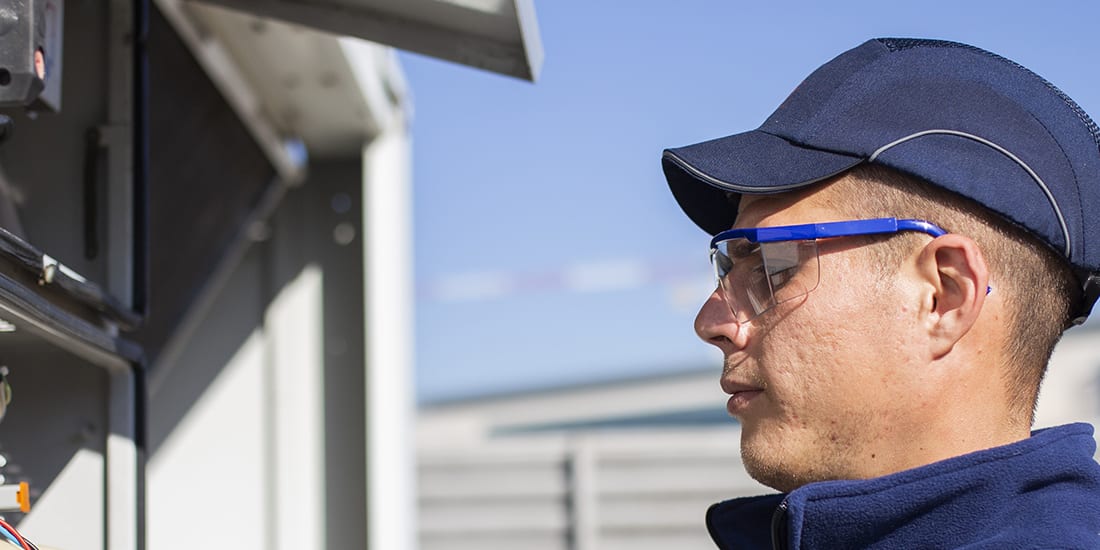
Mise en service
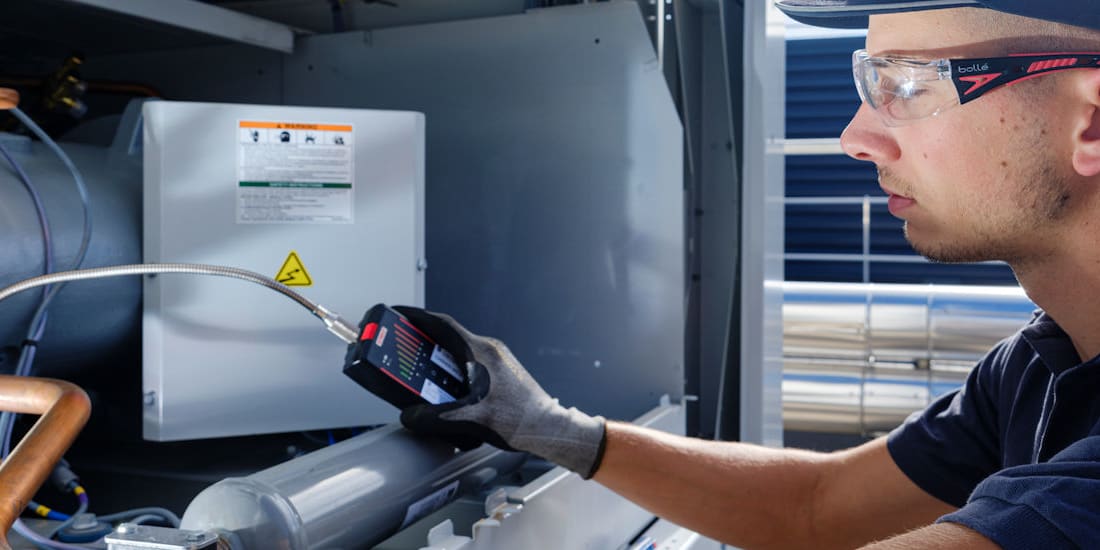
Contrats de maintenance

Diagnostics et réparations
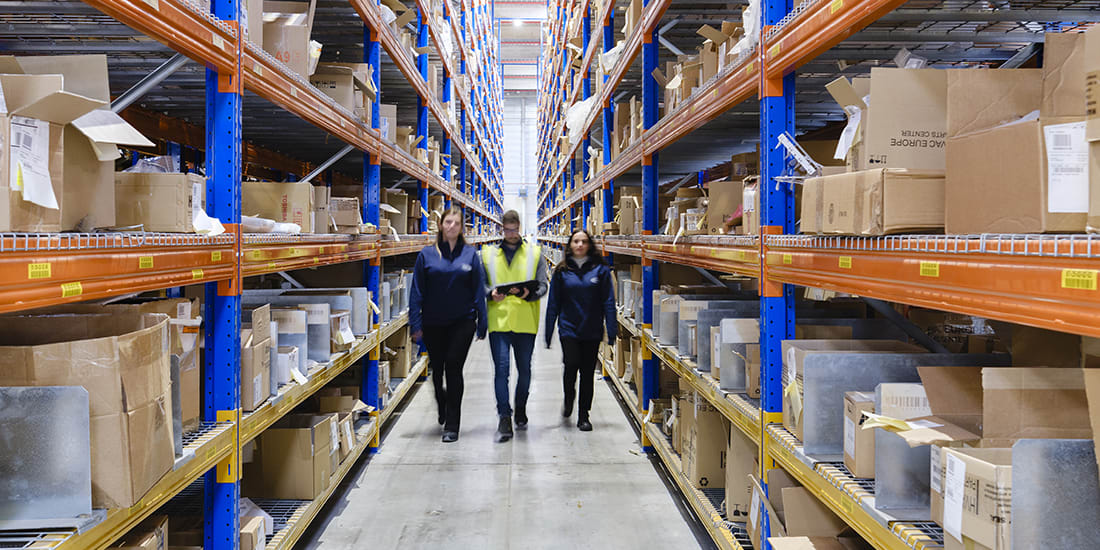
Pièces détachées
CASE STUDIES CASE STUDIES CASE STUDIES
CASE STUDIES CASE STUDIES CASE STUDIES
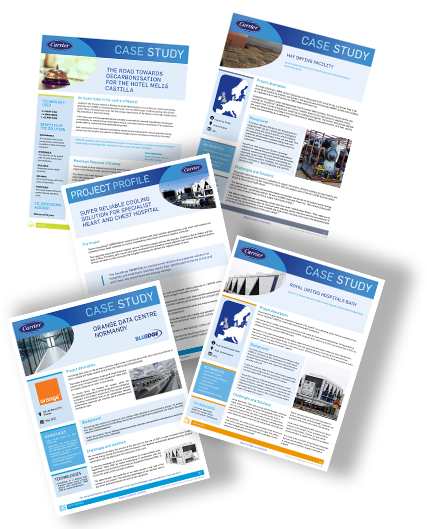
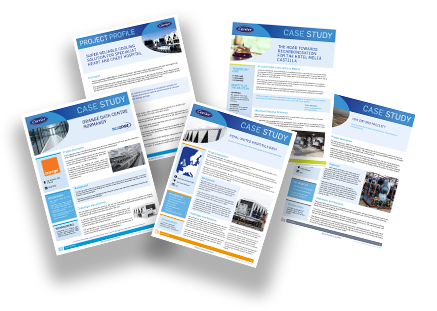
NOUS AVONS AIDÉ
DES MILLIERS DE CLIENTS
À TRAVERS L'EUROPE À CONCRÉTISER LEURS OBJECTIFS ET LEUR VISION.
EXPLOREZ NOS RÉFÉRENCES
POUR VOIR COMMENT
NOS SOLUTIONS CVC PEUVENT VOUS AIDER DANS VOTRE PROJET.
Solutions par marché

Industrie

Hôtellerie

Santé

Bureaux

Centres commerciaux

Data centers

Marine

Patrimoine culturel
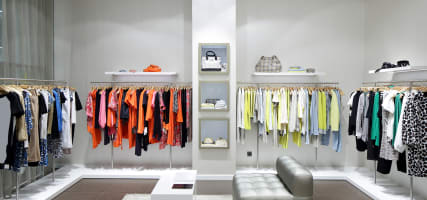
Petit tertiaire